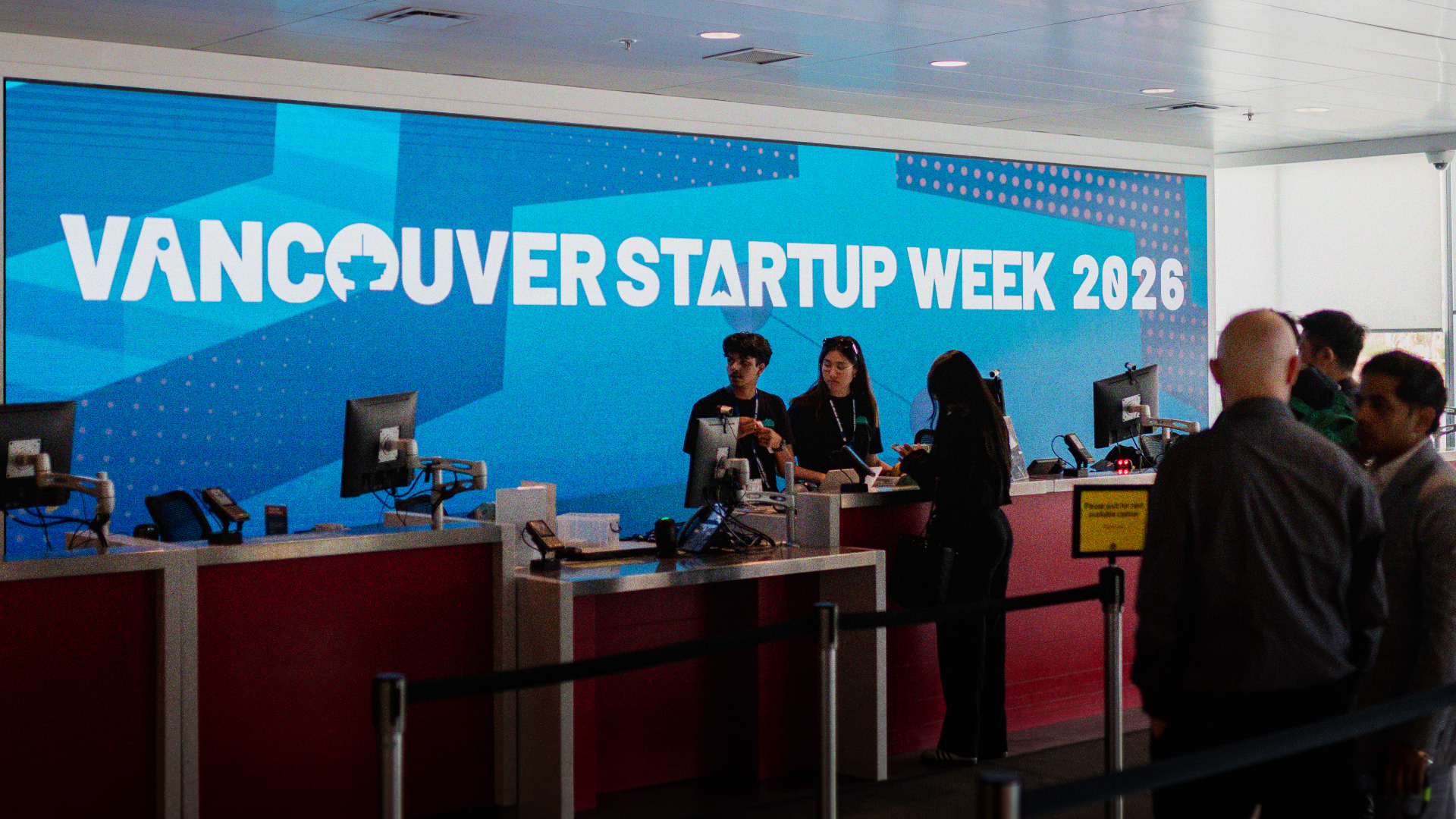
Beating an already ambitious ticket-revenue and attendance target through a documented brand voice and a content-first community campaign, without a website overhaul to lean on.
The Core Problem
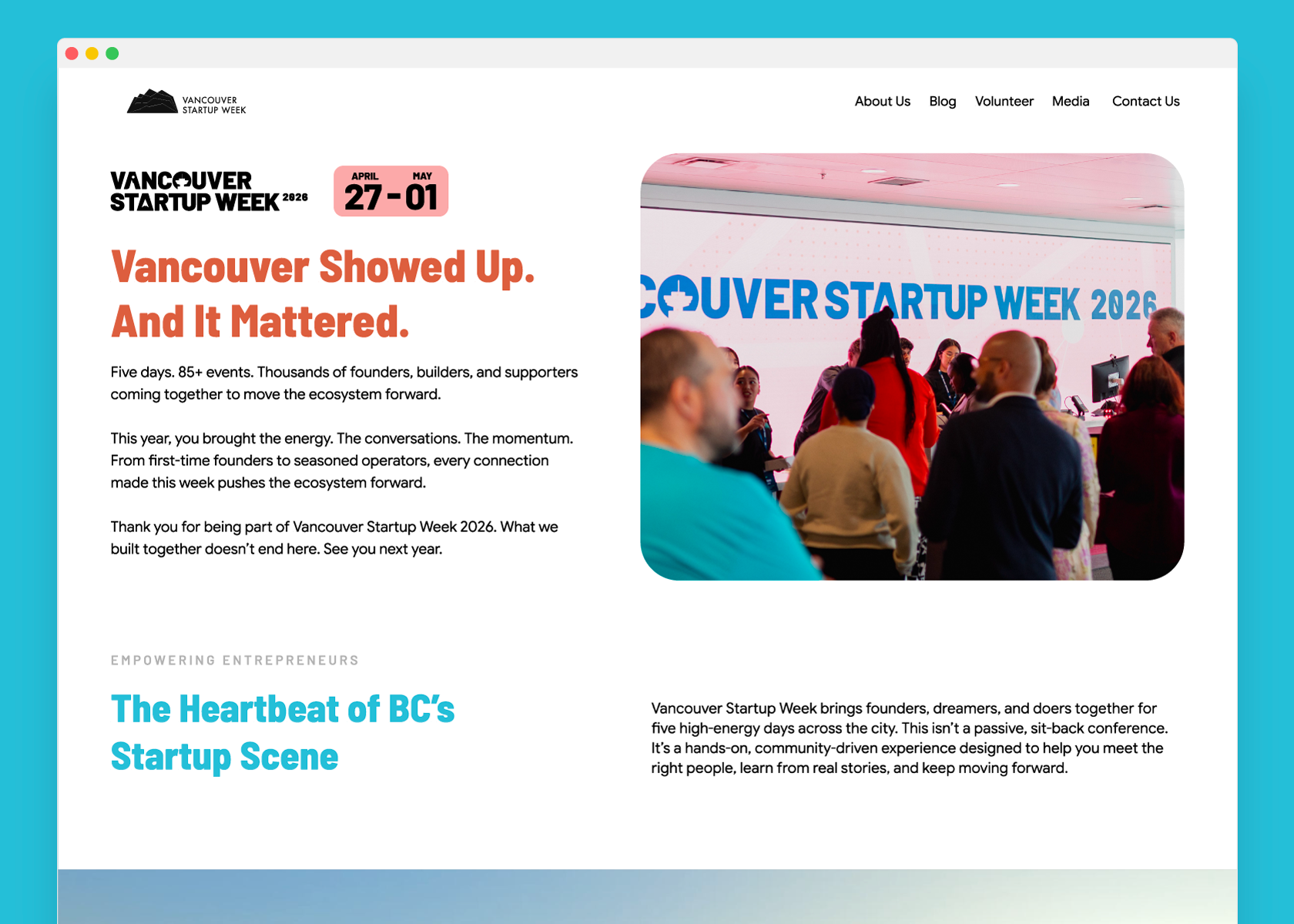
Hitting $50,000 in ticket revenue and 5,000+ attendees across 80+ events in 5 days is a heavy lift for a volunteer-run event with no paid media budget to speak of, and this cycle had one less lever available than the last: the website wasn't getting a redesign, just a light refresh. Whatever moved the needle this year had to come from campaign and content work, not the platform.
There was a second, quieter problem underneath that one. VSW speaks to at least five distinct audiences: early-stage founders seeking community and visibility, later-stage founders motivated by giving back, investors seeking deal flow, multinationals seeking to connect with the local ecosystem, and government stakeholders focused on economic impact. Each needs a different hook. Without a documented voice, that differentiation lived in whoever happened to be writing that week's post, which meant messaging drifted depending on who was holding the pen.
Hitting $50,000 in ticket revenue and 5,000+ attendees across 80+ events in 5 days is a heavy lift for a volunteer-run event with no paid media budget to speak of, and this cycle had one less lever available than the last: the website wasn't getting a redesign, just a light refresh. Whatever moved the needle this year had to come from campaign and content work, not the platform.
There was a second, quieter problem underneath that one. VSW speaks to at least five distinct audiences: early-stage founders seeking community and visibility, later-stage founders motivated by giving back, investors seeking deal flow, multinationals seeking to connect with the local ecosystem, and government stakeholders focused on economic impact. Each needs a different hook. Without a documented voice, that differentiation lived in whoever happened to be writing that week's post, which meant messaging drifted depending on who was holding the pen.
The Outcome
VSW 2026 closed at $55,000+ in ticket revenue, more than 10% over the $50,000 target, with attendance surpassing the 5,000+ goal across the same 5-day, 80-event footprint. The blog storytelling program, led by the Content Director, drove a 15% increase in website engagement and a 10% increase in social media engagement, as measured by click-throughs. Email newsletters were a direct, named contributor to hitting the revenue goal, converting existing subscriber relationships into ticket sales rather than relying solely on top-of-funnel reach.
VSW 2026 closed at $55,000+ in ticket revenue, more than 10% over the $50,000 target, with attendance surpassing the 5,000+ goal across the same 5-day, 80-event footprint. The blog storytelling program, led by the Content Director, drove a 15% increase in website engagement and a 10% increase in social media engagement, as measured by click-throughs. Email newsletters were a direct, named contributor to hitting the revenue goal, converting existing subscriber relationships into ticket sales rather than relying solely on top-of-funnel reach.
My Role
Head of Brand & Digital Experience. Owned brand voice and campaign strategy; partnered with the Content Director on editorial output.
Stakeholders
VSW Co-Chairs (Executive Directors); Content Director; sponsors and community members featured in content.
Timeline
January to April 2026.
Head of Brand & Digital Experience. Owned brand voice and campaign strategy; partnered with the Content Director on editorial output.
Stakeholders
VSW Co-Chairs (Executive Directors); Content Director; sponsors and community members featured in content.
Timeline
January to April 2026.
The Process
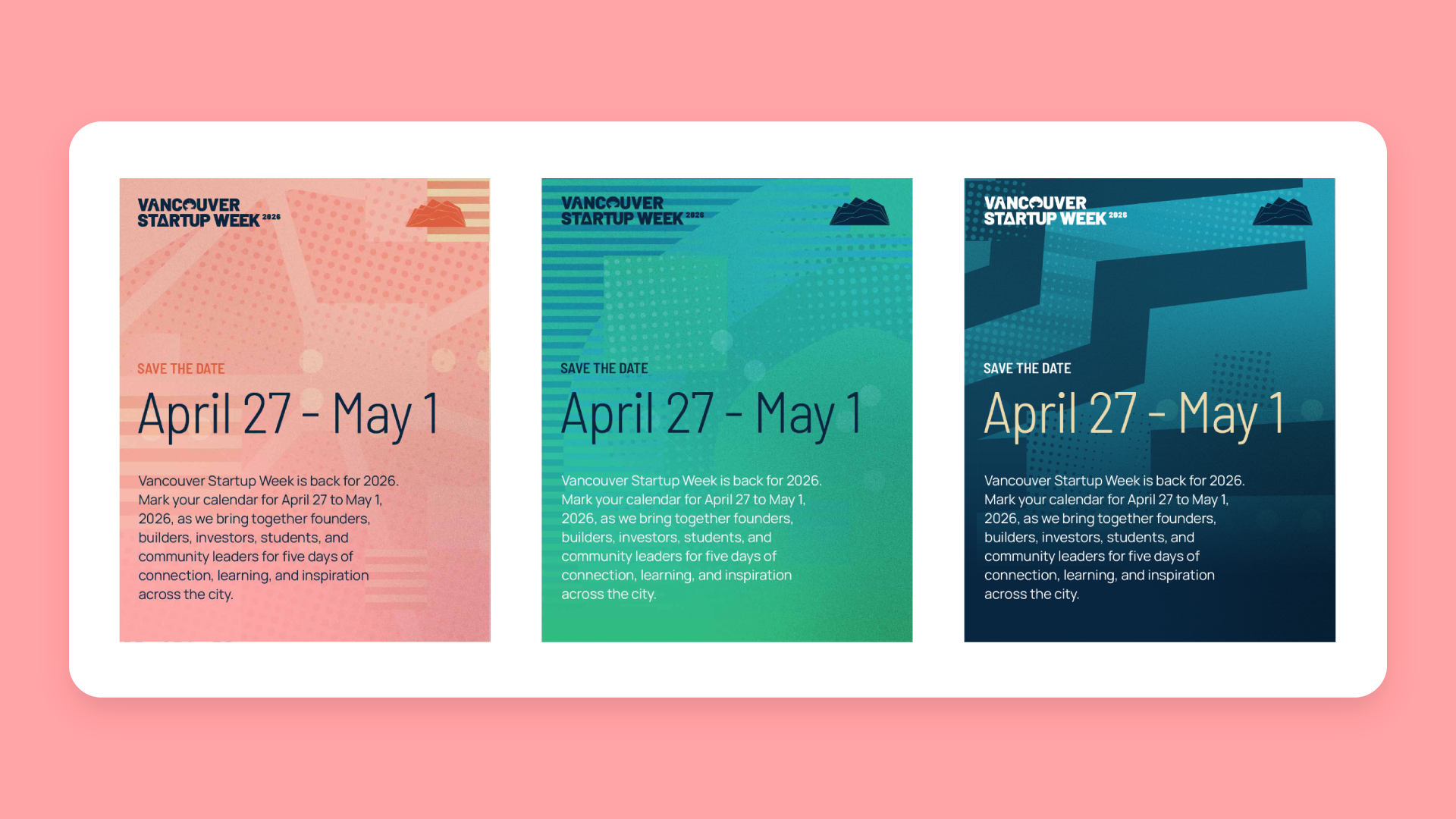
I built a Brand Messaging Framework ahead of the event cycle: an elevator pitch anchored on "Start Local, Think Global," five tone-of-voice principles (celebratory, action-oriented, authentic, human, unintimidating), three strategic messaging pillars, and an audience-specific messaging matrix mapping each of the five segments to its own core motivator and message hook. I paired that with channel-specific copy guidance for social, website, and email, plus explicit do's and don'ts, so that a volunteer writing a caption at midnight and one drafting a sponsor email had the same voice without needing me to review every asset.
With that foundation in place, the campaign itself ran on community engagement rather than platform novelty. Dedicated social posts built day-by-day anticipation across the week's 80+ events, giving attendees a clear sense of what to expect at each stage. I partnered closely with the Content Director on blog features, sponsor spotlights, startup stories, and community stories that gave the campaign real, specific voices instead of generic event promotion. I developed video content for event teasers to carry that same energy into a format built for social. And email newsletters to the existing subscriber base carried the campaign through to the point of conversion, prompting the ticket purchases that ultimately drove the revenue result.
I built a Brand Messaging Framework ahead of the event cycle: an elevator pitch anchored on "Start Local, Think Global," five tone-of-voice principles (celebratory, action-oriented, authentic, human, unintimidating), three strategic messaging pillars, and an audience-specific messaging matrix mapping each of the five segments to its own core motivator and message hook. I paired that with channel-specific copy guidance for social, website, and email, plus explicit do's and don'ts, so that a volunteer writing a caption at midnight and one drafting a sponsor email had the same voice without needing me to review every asset.
With that foundation in place, the campaign itself ran on community engagement rather than platform novelty. Dedicated social posts built day-by-day anticipation across the week's 80+ events, giving attendees a clear sense of what to expect at each stage. I partnered closely with the Content Director on blog features, sponsor spotlights, startup stories, and community stories that gave the campaign real, specific voices instead of generic event promotion. I developed video content for event teasers to carry that same energy into a format built for social. And email newsletters to the existing subscriber base carried the campaign through to the point of conversion, prompting the ticket purchases that ultimately drove the revenue result.
Results
The gains trace back to two connected moves: a documented voice that kept a volunteer team consistent, and a content strategy that used that voice across every channel available.
The gains trace back to two connected moves: a documented voice that kept a volunteer team consistent, and a content strategy that used that voice across every channel available.
Brand Governance & Messaging Framework
I collaborated with the Design Lead to build a brand system that is self-explanatory rather than dependent on tribal knowledge: documented guidelines, reusable templates, and a creative review checklist that let each incoming team pick up where the last one left off. That structure is what made 300+ assets a year sustainable rather than a one-time push.
The framework did the work a bigger marketing team would normally do through review and approval: it let contributors self-serve a consistent voice instead of routing every asset through me. The audience-messaging matrix in particular meant a social post aimed at early-stage founders and an email aimed at government stakeholders could both sound like VSW while saying genuinely different things to each group.
The framework did the work a bigger marketing team would normally do through review and approval: it let contributors self-serve a consistent voice instead of routing every asset through me. The audience-messaging matrix in particular meant a social post aimed at early-stage founders and an email aimed at government stakeholders could both sound like VSW while saying genuinely different things to each group.
Content & Community Storytelling
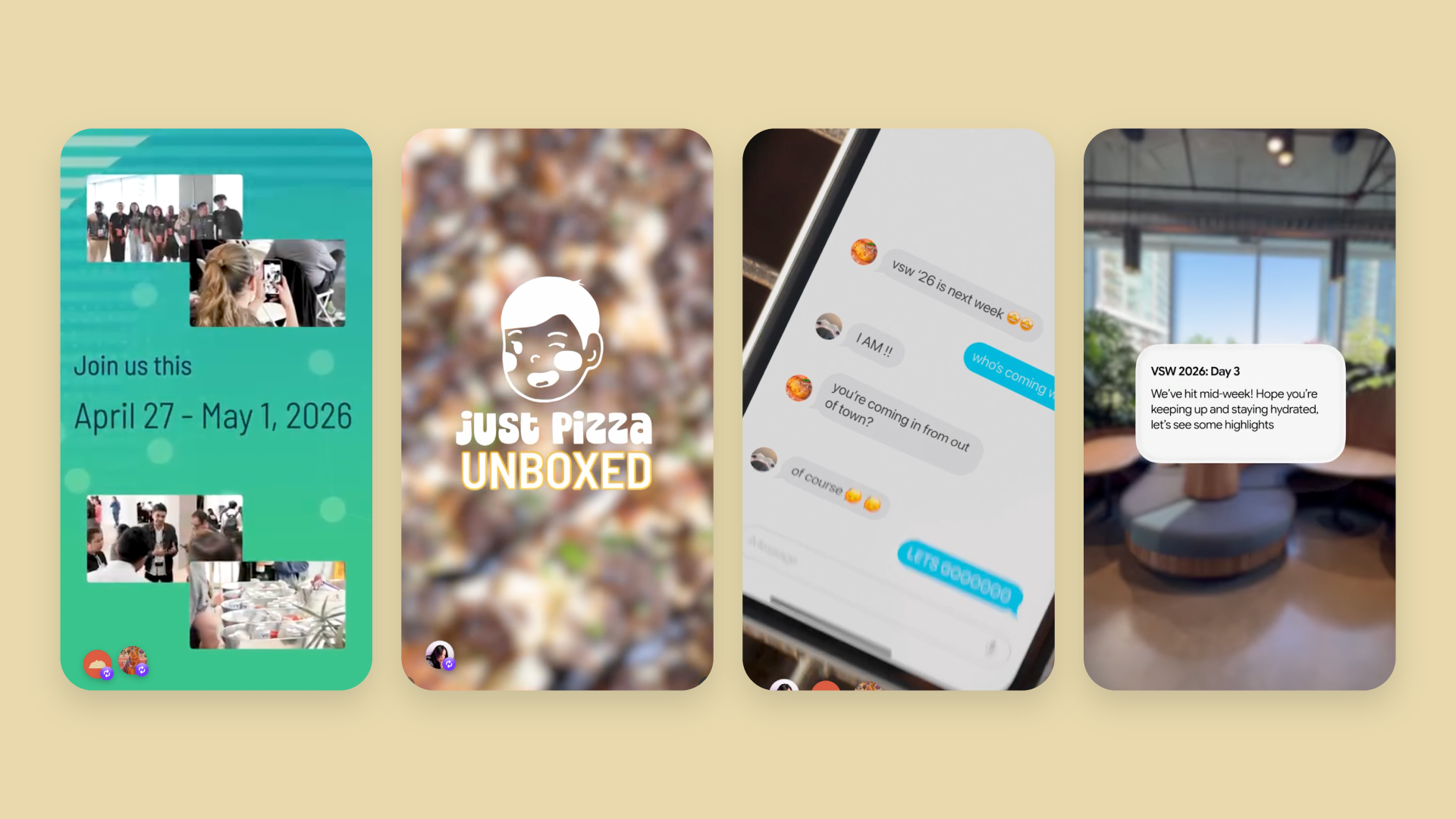
Sponsor spotlights, startup stories, and community stories gave the campaign specific people and specific wins to point to, in line with the framework's "celebratory" and "human" voice principles. That specificity is what moved the numbers: a 15% increase in website engagement and a 10% increase in social click-throughs, both concentrated around the features I ran with the Content Director rather than generic event announcements. Also, short-form video gave the week's 80+ events a format built for how people actually discover events on social, translating the framework's action-oriented, unintimidating tone into something more immediate than a static post.
Email Newsletter Campaigns
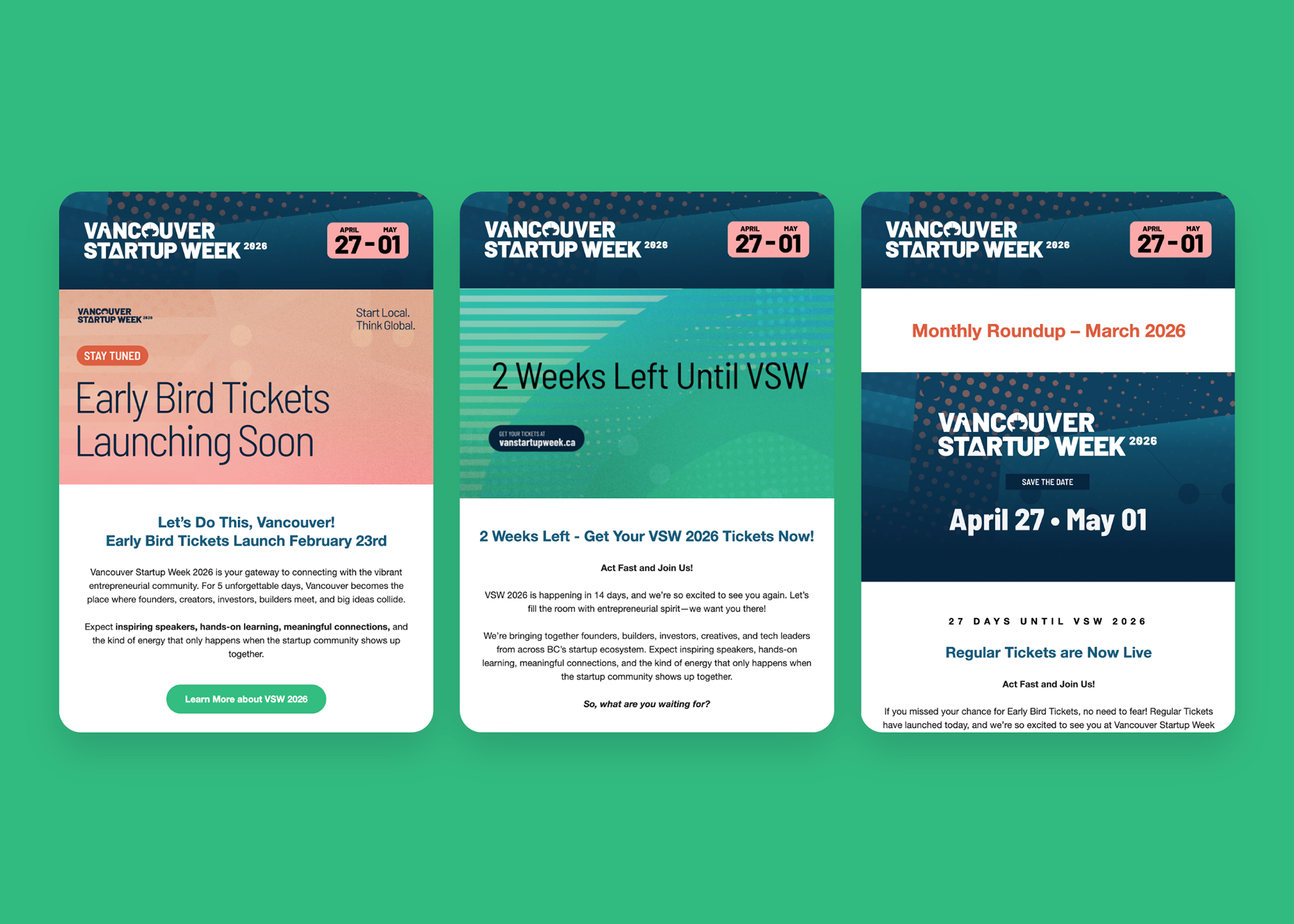
Newsletters to the existing subscriber list carried the campaign to the point of purchase. Where social and blog built awareness and engagement, email was the channel doing the direct work of converting that attention into tickets, and it's called out specifically as a contributor to closing above the $50,000 target.